
BV-SALA · In production
BiVelio Savings Layer
A layer that optimizes and rewrites your prompt before sending it to the API, to lower the cost per call.
Learn moreResearch by BiVelio
Retrieval, agents, knowledge graphs and orchestration — and now quantitative finance, with the leveraged ETF Modeler. No hype: the why, the how and the math.
Our mission
We built BiVelio by running real companies. Every algorithm we design comes from a concrete problem, not a paper. We believe explaining it in the open is the most honest way to make progress.
We publish the reasoning, not just the result. Transparency is a requirement, not a marketing gesture.
Math, code and real measurements. If we claim something, we show how we know.
Each article builds on the last. Knowledge that accumulates is what creates long-term advantage.
We write to teach. If an idea helps another team build better, it has done its job.
Line 1 · In production
We don't replace OpenAI, Anthropic, DeepSeek or Gemini. We sit in front of them: we better prepare what you send them, so you spend less and expose less.
BV-SALA · In production
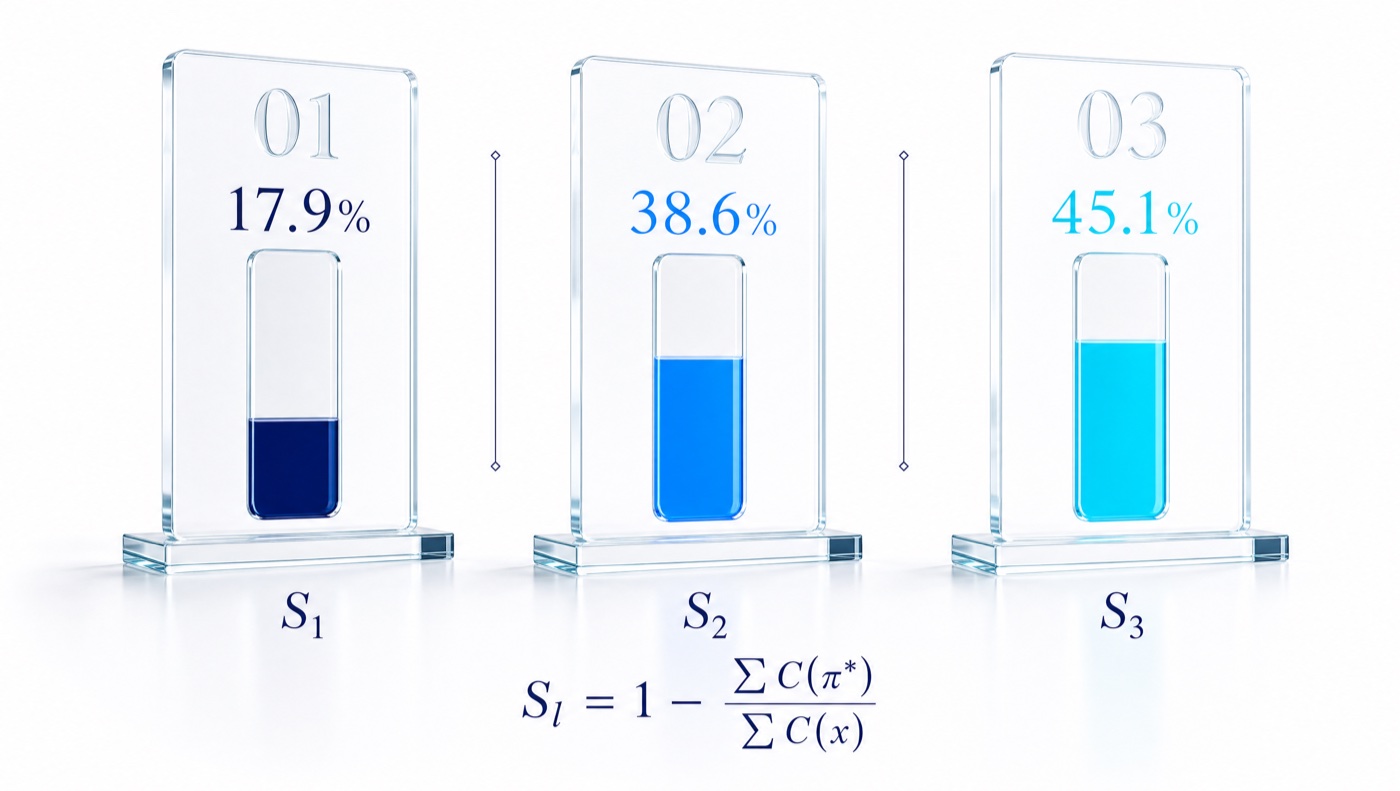
A layer that optimizes and rewrites your prompt before sending it to the API, to lower the cost per call.
Learn moreBV-PRGA · In production
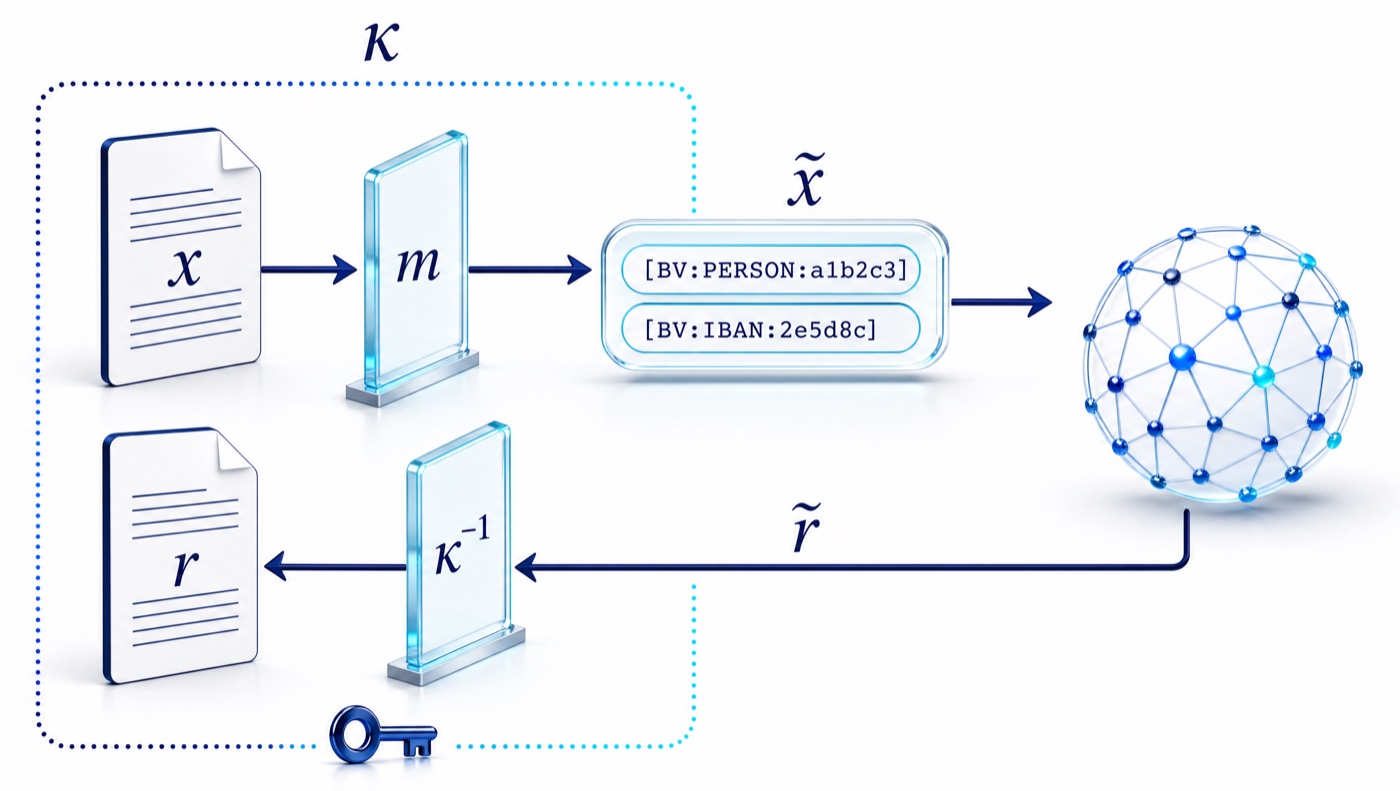
An intermediate layer that holds back sensitive information before sending your prompt, document or file to any AI API.
Learn moreLine 2 · Quant finance
Using daily data since 1928, we study how 2x and 3x funds behave, which rules improve them and how much of what they earn can't be told apart from chance. Every article accounts for the search behind it, and confirmatory studies preregister their hypotheses before testing them.
Pick a world — reshuffled history, volatility that clusters, more frequent crashes or the real crises — and compare the 3x, the 200-day moving average or half Kelly across thousands of possible futures.
Loading articles…
Line 3 · The library
Browse by topic. Each piece is self-contained: context, intuition, formalization and results.
Featured · Agents
An agent without context is just a model. Classic vector retrieval treats knowledge as a bag of independent chunks — which is why it fails on the questions that matter most to a company. We walk through the real problems RAG developers hit (with data), why graph structure wins where vectors fall short, how the landscape stacks up (Pinecone, LangChain, LlamaIndex, Neo4j, Microsoft GraphRAG), and how we plan to be the best at the context that actually counts: a company's operation.
Read the articleThe quant finance series is further up, in Line 2, and in full under Quant finance.
In the classroom and on stage
Universities and platforms where we teach or have presented our work.
Substack
The series is published on Substack, in Spanish. Subscribe to get each article as soon as it comes out; you can unsubscribe at any time.
Placeholder link The Substack publication isn't open yet; this button will go live when it launches.